Step 01 — Breakdown
The line lets go.
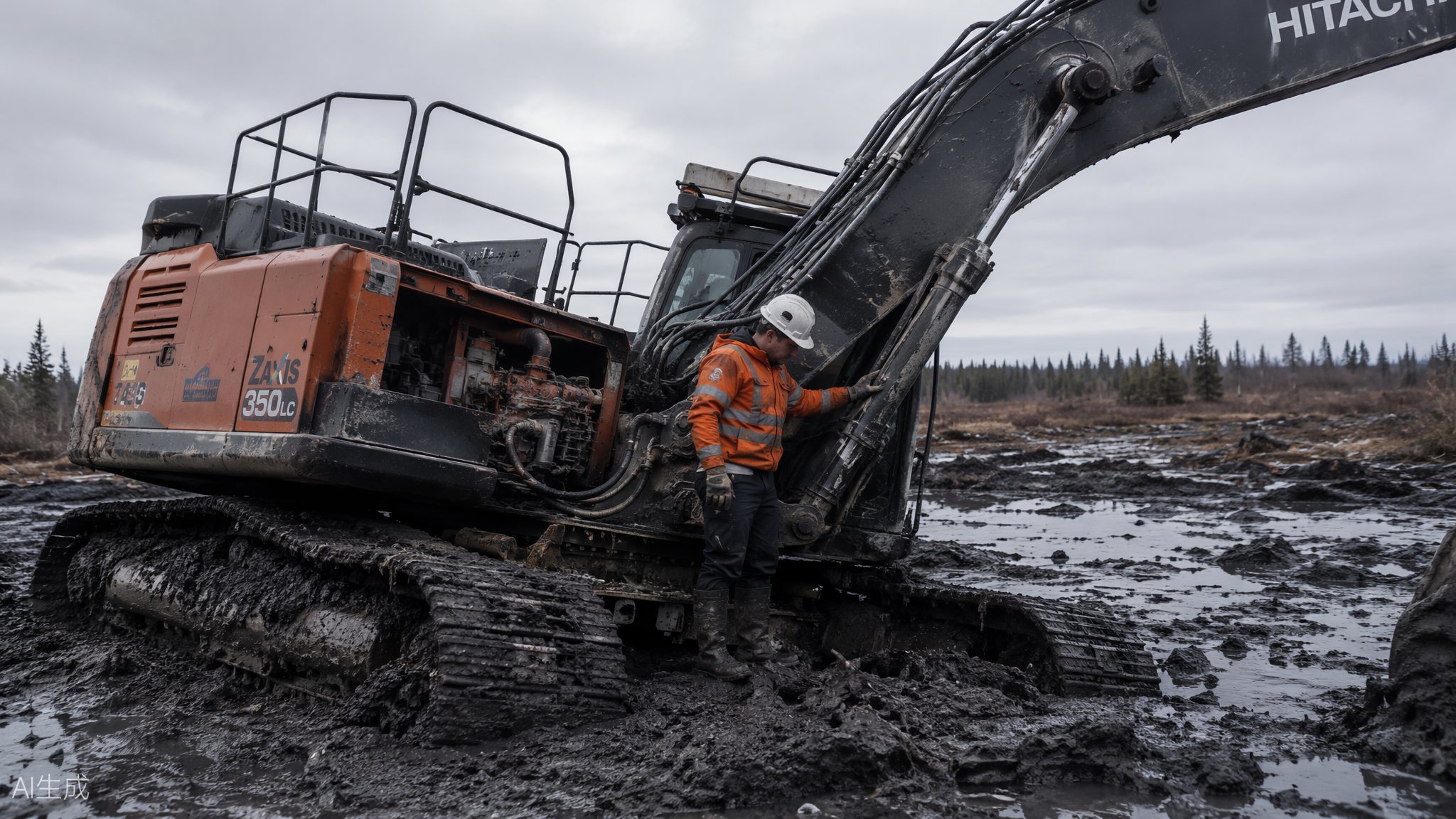
Sixty kilometres from the winter road, an excavator's hydraulic line bursts. The crew is idle, the schedule is bleeding, and the part is the size of a lunchbox.
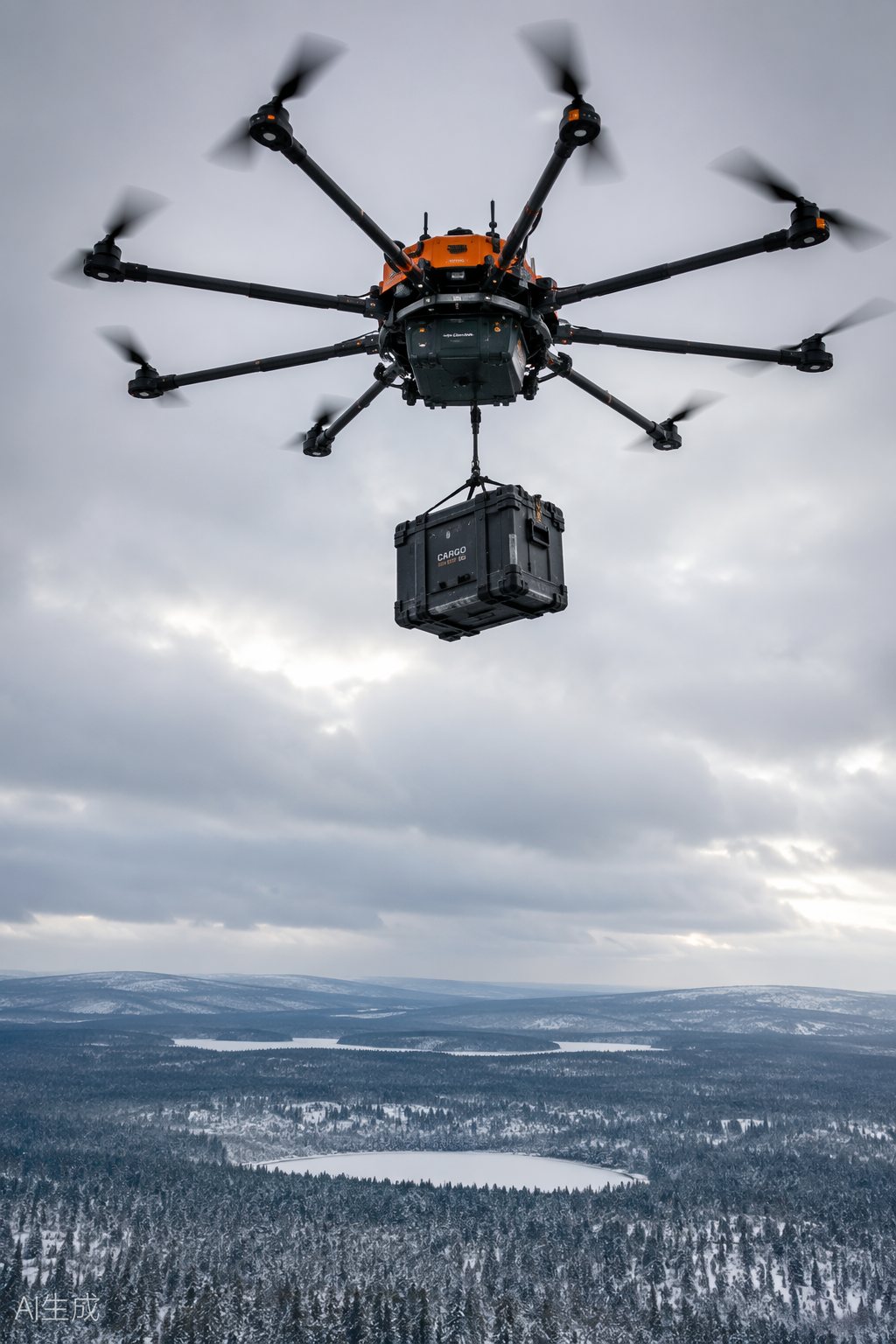
hldcanada.com — Northern Air Logistics When a machine goes down a thousand kilometres from the nearest parts counter, we fly the part to the person. Heavy-lift drones, built and crewed for the Ring of Fire.
The Ring of Fire will move billions of dollars of ore. None of it moves when a $40 hydraulic fitting grounds a $4 million excavator.
Northern Ontario's Ring of Fire is one of the most significant mineral districts in Canadian history — chromite, nickel, copper and platinum group metals beneath the James Bay Lowlands. The projects being announced now will need camps, roads, drills, and people working year-round in some of the most remote muskeg country on the continent.
Out there, logistics is the project. Every hour of downtime compounds. Winter roads open for weeks, not months. A part that sits in a warehouse in Thunder Bay might as well be on the moon.
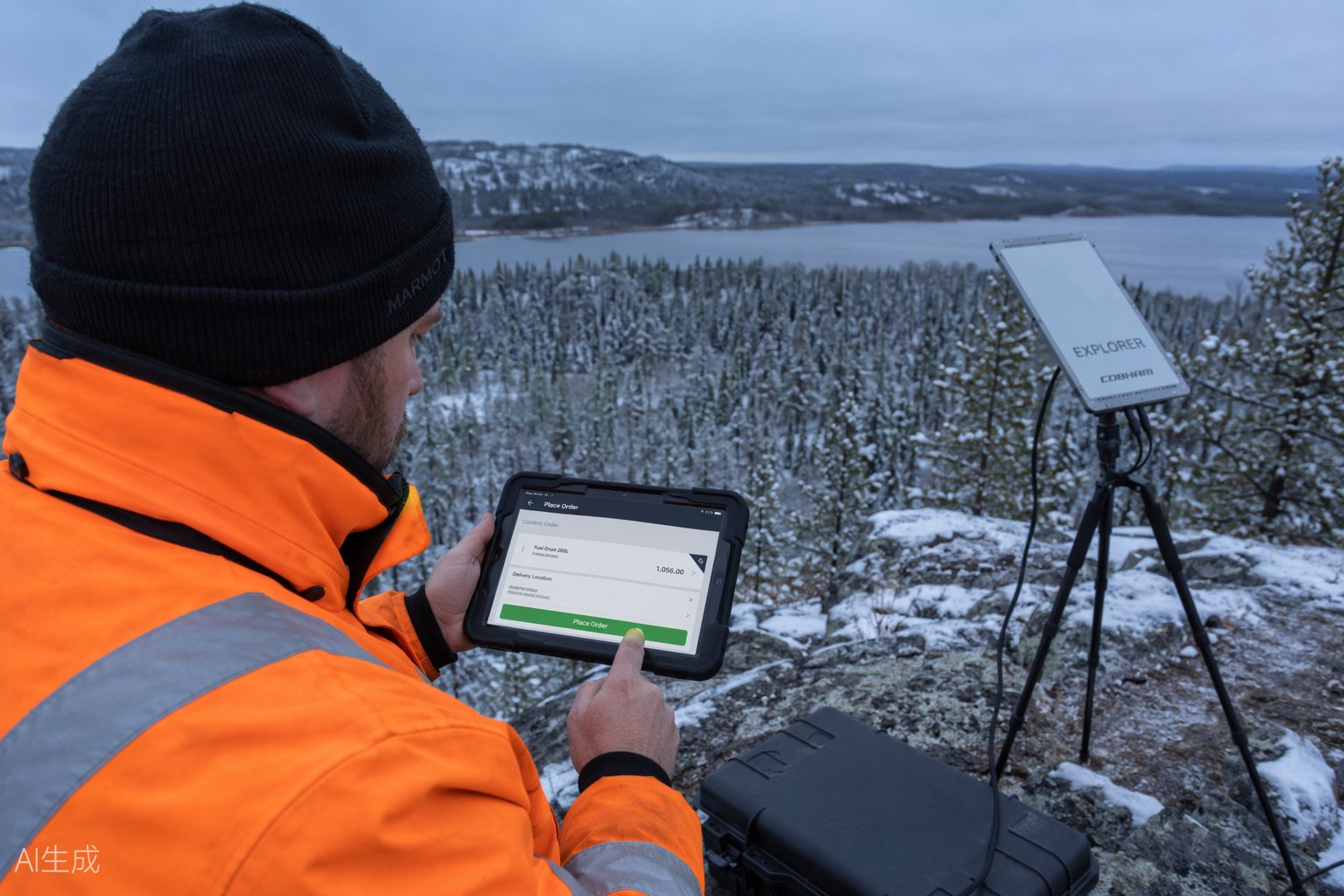
HLD Canada closes that gap with heavy-lift drones. An operator in the field orders from an app or a portable satellite terminal. Our crews pick the part, load the aircraft, and fly it directly to the worksite — over muskeg, over water, over everything that stops a truck.
The same aircraft that rush fittings to a stalled excavator also scout drill targets, survey corridors, and help raise the telecommunications backbone the North has waited decades for. First the parts. Then the picture. Then the network.
Sixty kilometres from the winter road, an excavator's hydraulic line bursts. The crew is idle, the schedule is bleeding, and the part is the size of a lunchbox.
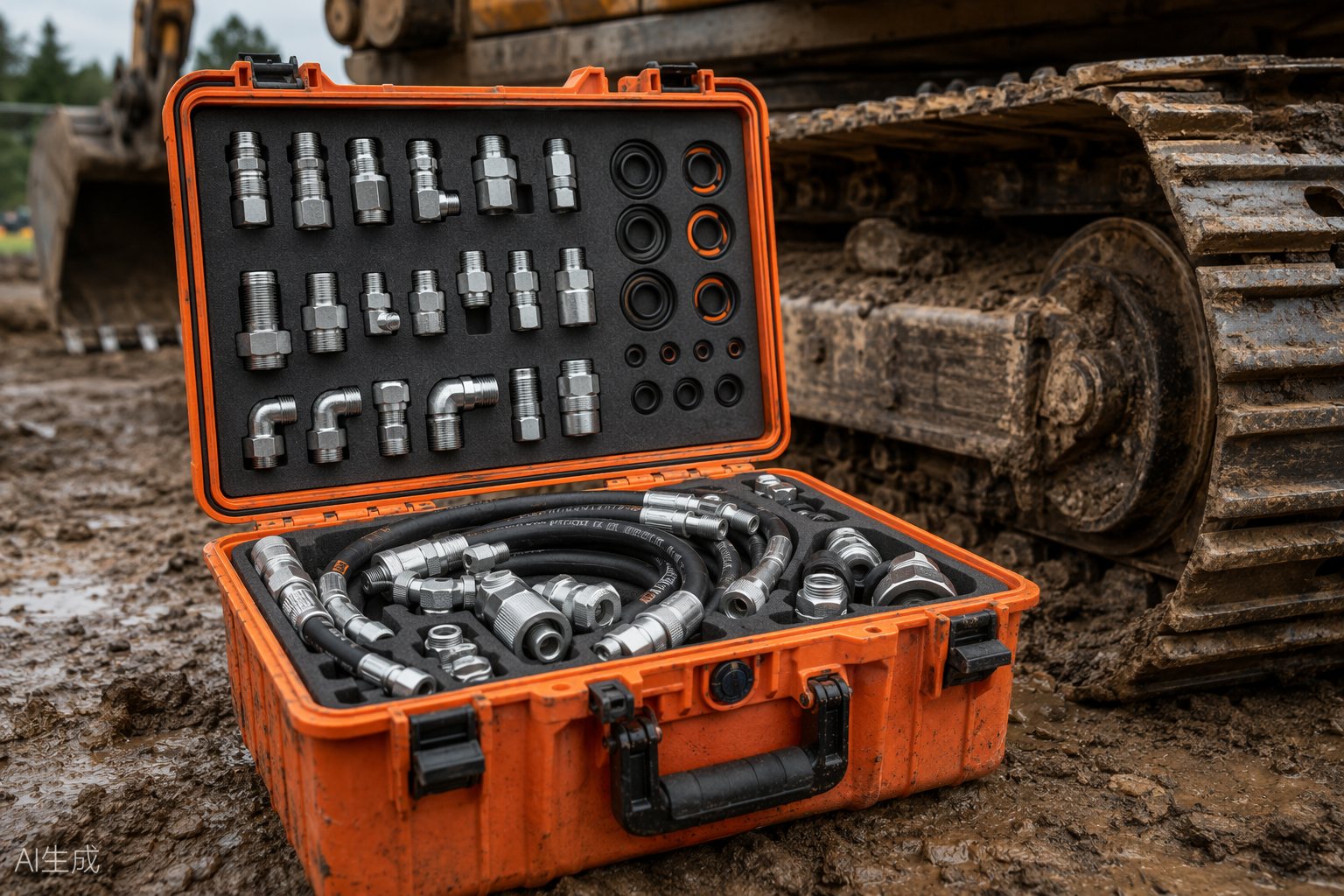
Hydraulic fittings, filters, sensors, seals, tooling — the small parts that stop big machines. Ordered from the field by app or satellite terminal, picked at our forward depot, and flown direct to the operator's position. No road required.
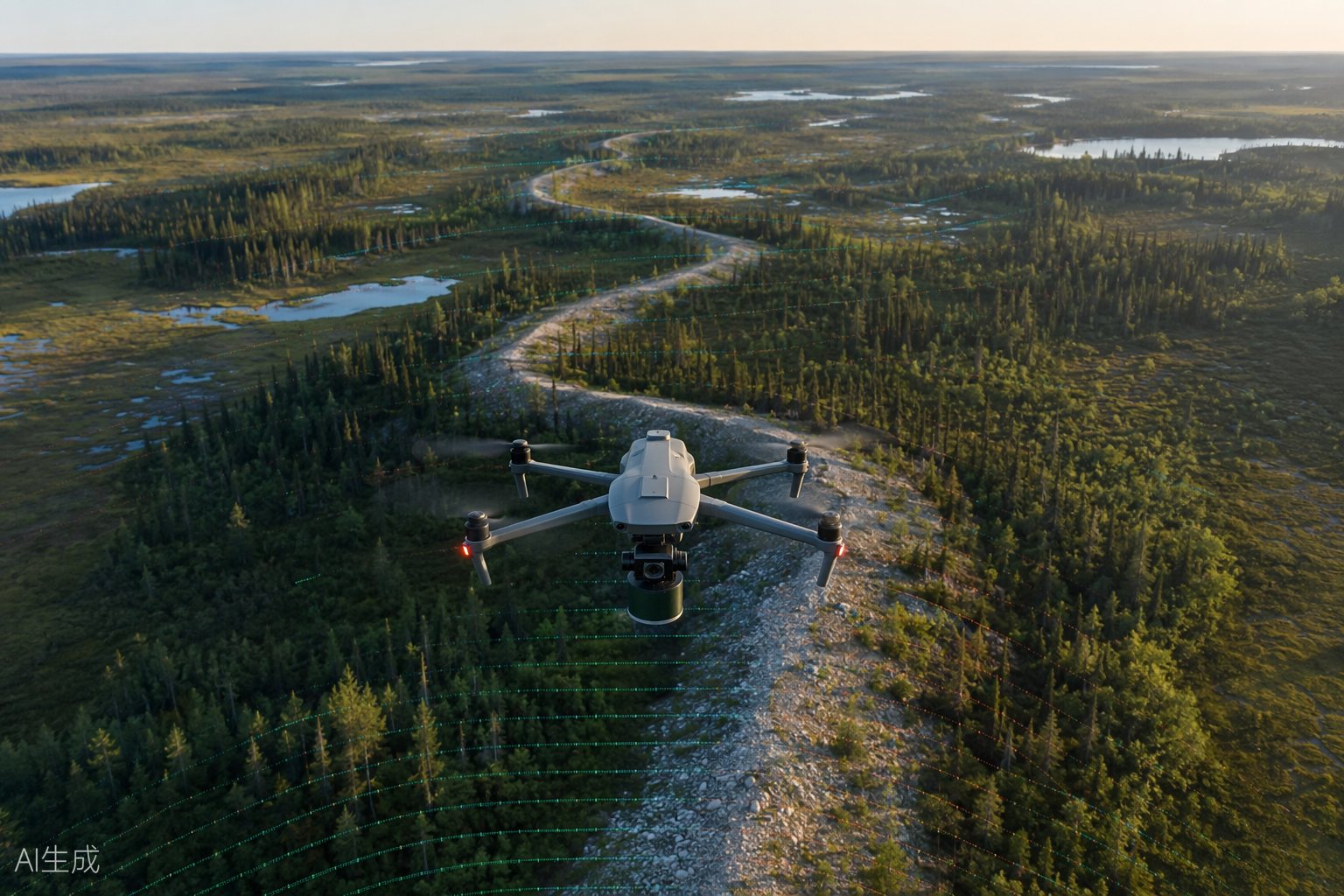
LiDAR, photogrammetry and magnetics from the same airframes that haul freight. Corridor scouting for roads and winter trails, drill-pad siting, stockpile volumetrics and environmental baseline work — flown on demand, delivered as decision-ready data.
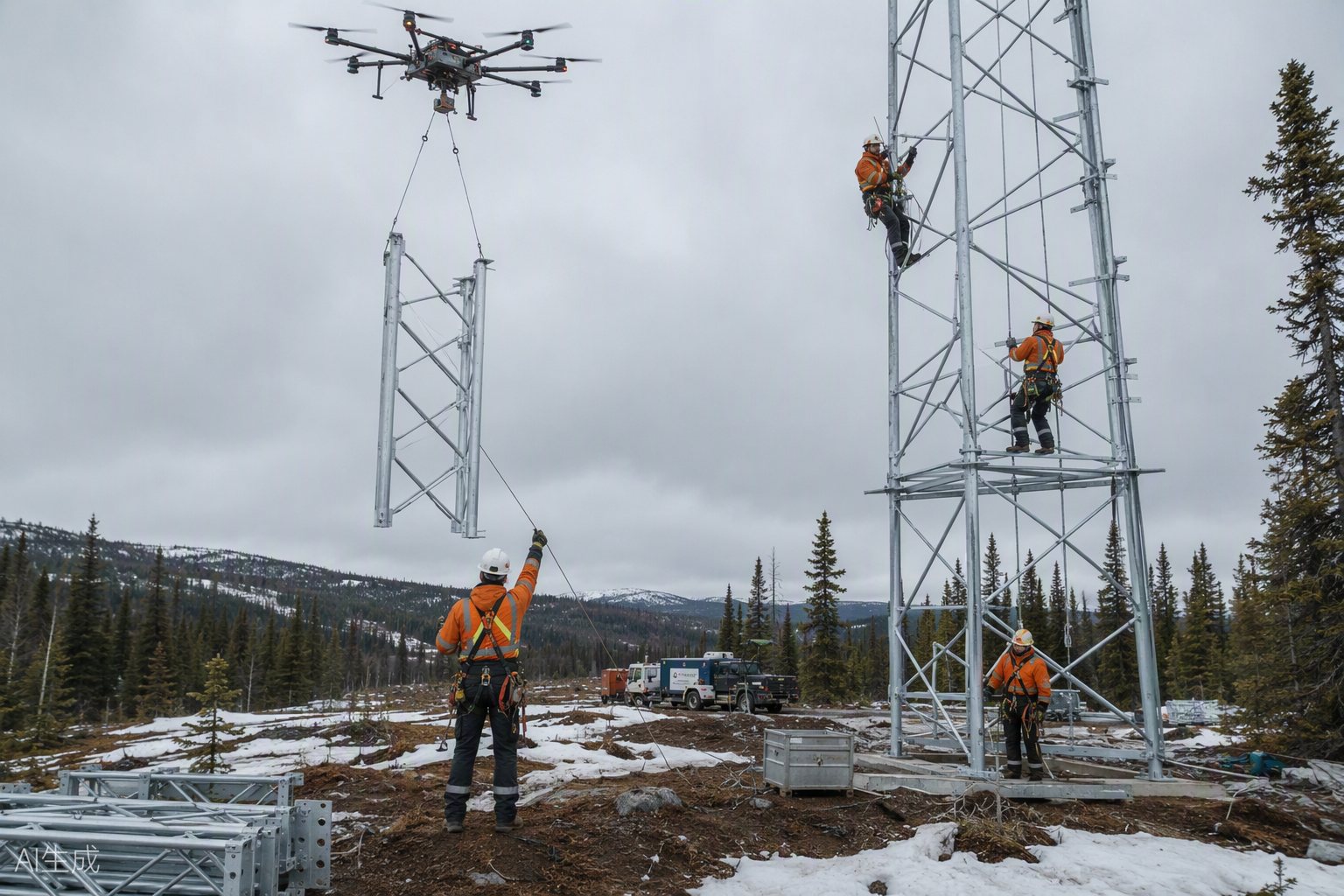
The Ring of Fire runs on connectivity nobody has built yet. We position tower sections, string pilot lines across muskeg and rivers, place repeater equipment on high ground, and keep construction crews supplied — the first-level work that makes everything else possible.
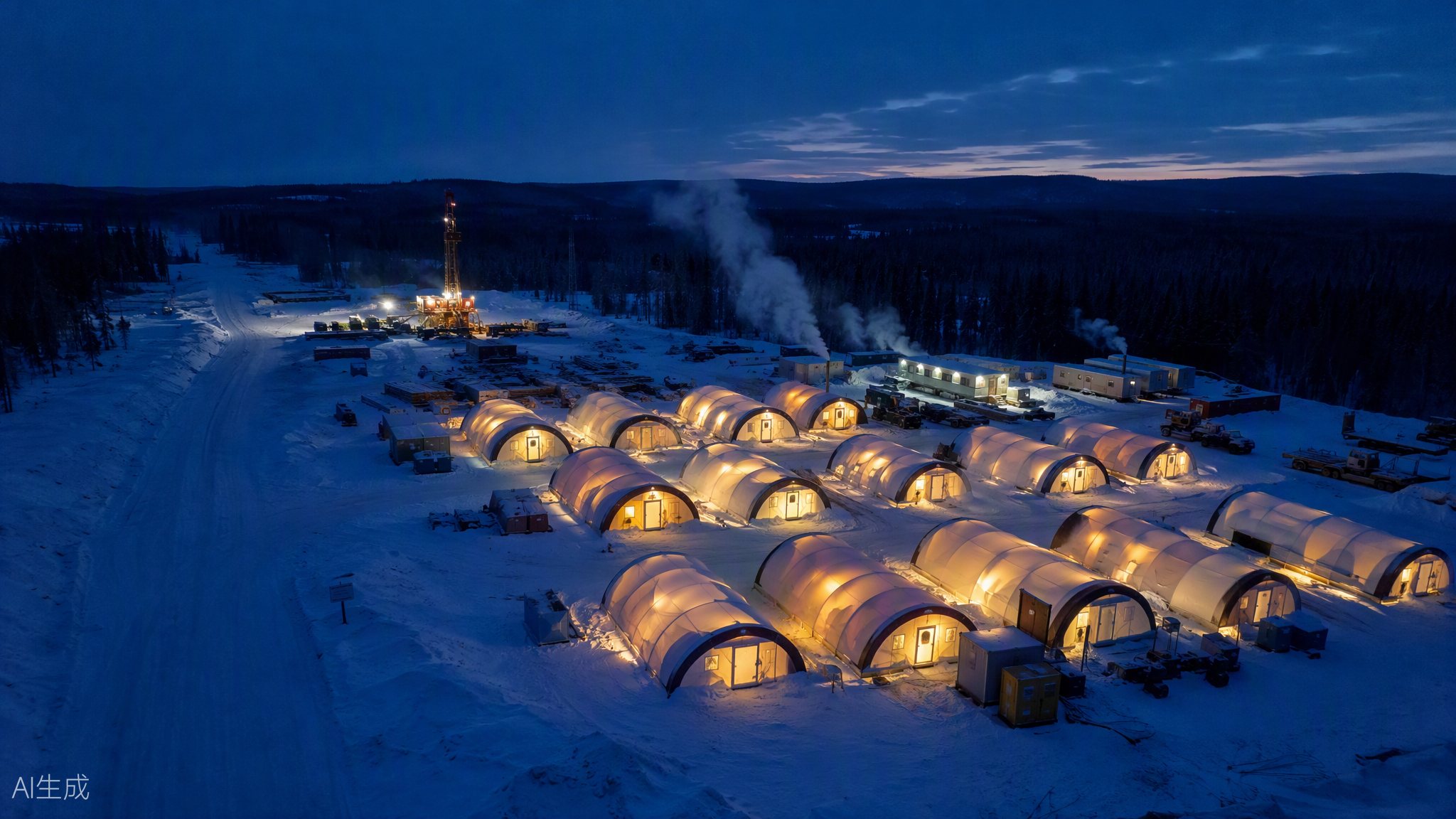
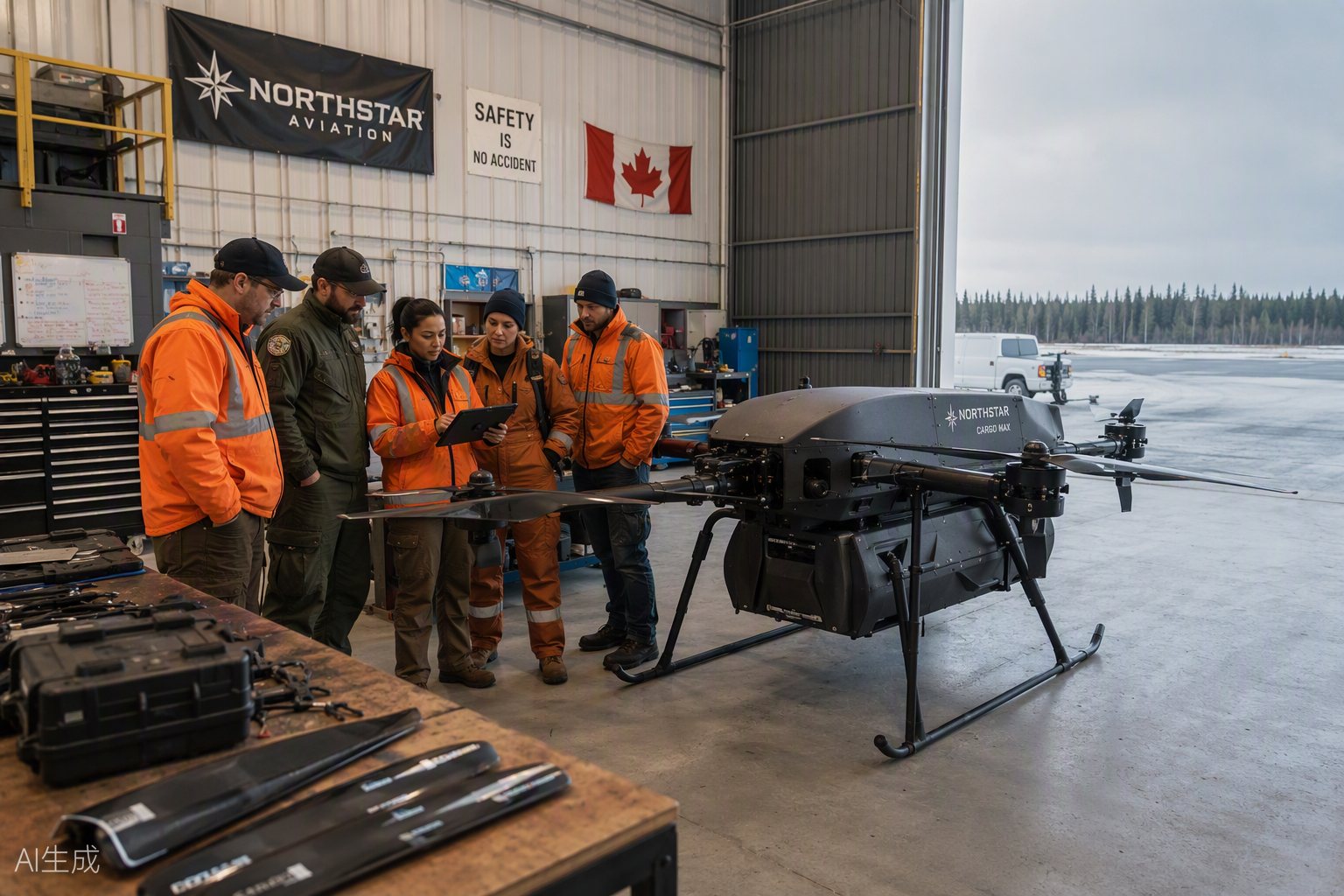
Flying heavy aircraft beyond visual line of sight over remote territory takes more than machines. It takes certificates, corridors, and — above all — partners who call this territory home. We are building HLD Canada shoulder-to-shoulder with the people the Ring of Fire belongs to.
RPAS operator certification, BVLOS special flight operations, and a safety case engineered for −40°C cold-soak reality — not lab conditions.
Partnership structures with the Matawa-member First Nations on whose traditional territory we fly: equity participation, training seats, and community-owned operating bases.
Standing service agreements with exploration companies, mine developers and camp contractors — one number to call when the line lets go.
Coordination with NAV CANADA, northern air carriers and telecom builders so our corridors reinforce — never compete with — the region's infrastructure plans.